 C
CEarth, Wind & Fire - Topic
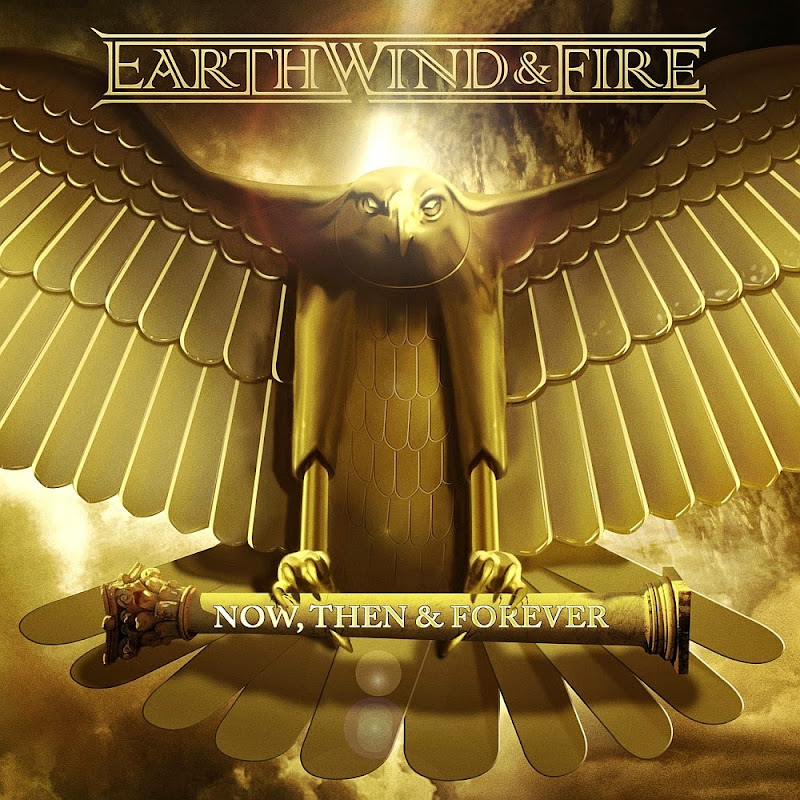
EARTH, WIND & FIRE BIOGRAPHY During the 1970s, a new brand of pop music was born - one that was steeped in African and African-American styles - particularly jazz and R&B but appealed to a broader cross-section of the listening public. As founder and leader of the band Earth, Wind & Fire, Maurice White not only embraced but also helped bring about this evolution of pop, which bridged the gap that has often separated the musical tastes of black and white America. It certainly was successful, as EWF combined high-caliber musicianship, wide-ranging musical genre eclecticism, and '70s multicultural spiritualism. "I wanted to do something that hadn't been done before," Maurice explains. "Although we were basically jazz musicians, we played soul, funk, gospel, blues, jazz, rock and dance music...which somehow ended up becoming pop. We were coming out of a decade of experimentation, mind expansion and cosmic awareness. I wanted our music to convey messages of universal love and harmony without force-feeding listeners' spiritual content." Maurice was born December 19, 1941, in Memphis, TN. He was immersed in a rich musical culture that spanned the boundaries between jazz, gospel, R&B, blues and early rock. All of these styles played a role in the development of Maurice's musical identity. At age six, he began singing in his church's gospel choir but soon his interest turned to percussion. He began working gigs as a drummer while still in high school. His first professional performance was with Booker T. Jones, who eventually achieved stardom as Booker T and the MGs. After graduating high school, Maurice moved to the Windy City to continue his musical education at the prestigious Chicago Conservatory Of Music. He continued picking up drumming jobs on the side, which eventually lead to a steady spot as a studio percussionist with the legendary Chicago label, Chess Records. At Chess, Maurice had the privilege of playing with such greats as Etta James, Fontella Bass, Billy Stewart, Willie Dixon, Sonny Stitt and Ramsey Lewis, whose trio he joined in 1967. He spent nearly three years as part of the Ramsey Lewis Trio. "Ramsey helped shape my musical vision beyond just the music," Maurice explains. "I learned about performance and staging." Maurice also learned about the African thumb piano, or Kalimba, an instrument whose sound would become central to much of his work over the years. In 1969, Maurice left the Ramsey Lewis Trio and joined two friends in Chicago, Wade
 US
US Automne 2026
- Abonnés
- 16k
- Vues
- 1 · 0 favori
- Exemplaires
- 0 · 0 joueur
- En vente
- 0
Valeur
- Dernière vente
- -
- Valeur de défausse
- 1
Prochaine collection, Hiver 2026 : Commune
À 100k abonnés, elle passera Peu Commune dans les collections suivantes.
Abonne-toi à la chaîne pour la faire monter dans les prochaines collections !
EARTH, WIND & FIRE BIOGRAPHY During the 1970s, a new brand of pop music was born - one that was steeped in African and African-American styles - particularly jazz and R&B but appealed to a broader cross-section of the listening public. As founder and leader of the band Earth, Wind & Fire, Maurice White not only embraced but also helped bring about this evolution of pop, which bridged the gap that has often separated the musical tastes of black and white America. It certainly was successful, as EWF combined high-caliber musicianship, wide-ranging musical genre eclecticism, and '70s multicultural spiritualism. "I wanted to do something that hadn't been done before," Maurice explains. "Although we were basically jazz musicians, we played soul, funk, gospel, blues, jazz, rock and dance music...which somehow ended up becoming pop. We were coming out of a decade of experimentation, mind expansion and cosmic awareness. I wanted our music to convey messages of universal love and harmony without force-feeding listeners' spiritual content." Maurice was born December 19, 1941, in Memphis, TN. He was immersed in a rich musical culture that spanned the boundaries between jazz, gospel, R&B, blues and early rock. All of these styles played a role in the development of Maurice's musical identity. At age six, he began singing in his church's gospel choir but soon his interest turned to percussion. He began working gigs as a drummer while still in high school. His first professional performance was with Booker T. Jones, who eventually achieved stardom as Booker T and the MGs. After graduating high school, Maurice moved to the Windy City to continue his musical education at the prestigious Chicago Conservatory Of Music. He continued picking up drumming jobs on the side, which eventually lead to a steady spot as a studio percussionist with the legendary Chicago label, Chess Records. At Chess, Maurice had the privilege of playing with such greats as Etta James, Fontella Bass, Billy Stewart, Willie Dixon, Sonny Stitt and Ramsey Lewis, whose trio he joined in 1967. He spent nearly three years as part of the Ramsey Lewis Trio. "Ramsey helped shape my musical vision beyond just the music," Maurice explains. "I learned about performance and staging." Maurice also learned about the African thumb piano, or Kalimba, an instrument whose sound would become central to much of his work over the years. In 1969, Maurice left the Ramsey Lewis Trio and joined two friends in Chicago, Wade